


 Contact
Informations
Contact
Informations Call Now
 Whatsapp
 Tr
Tr

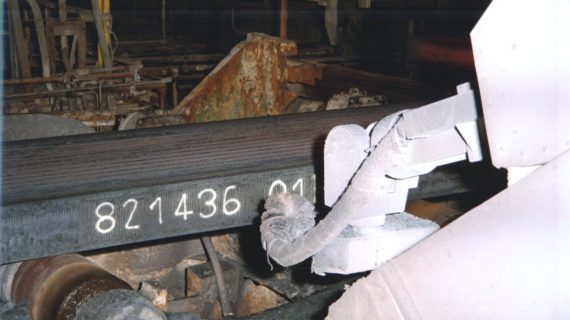

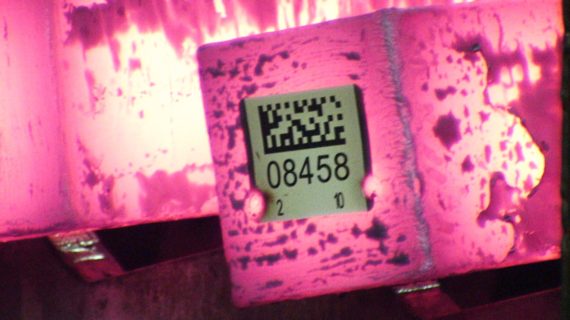
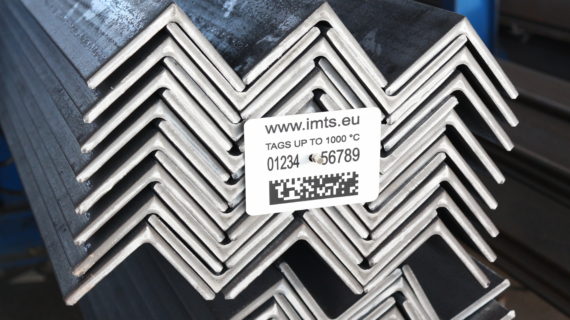
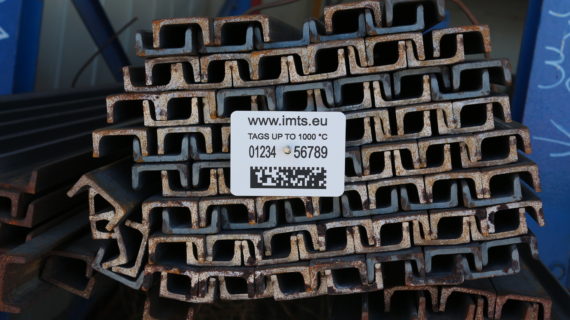
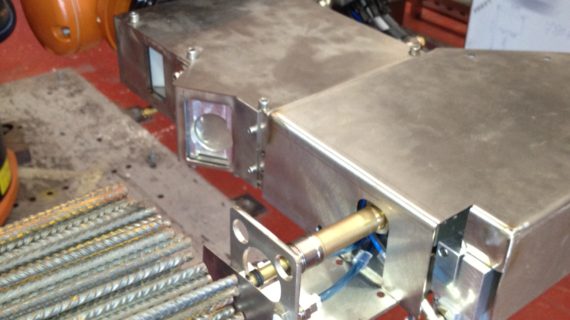
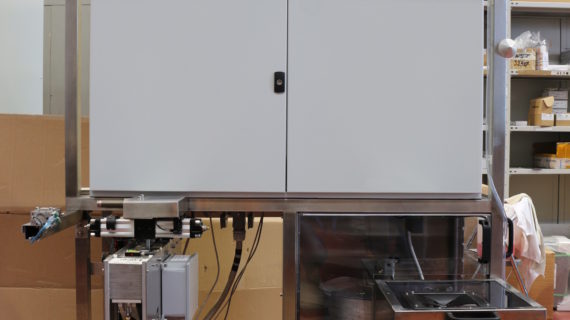
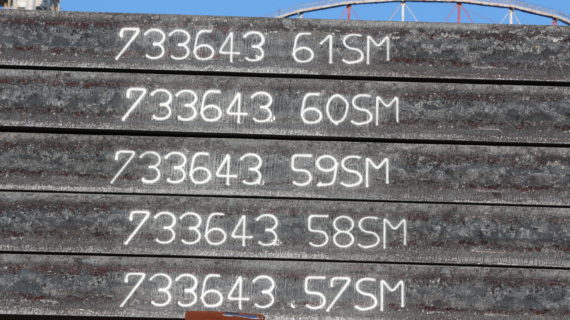
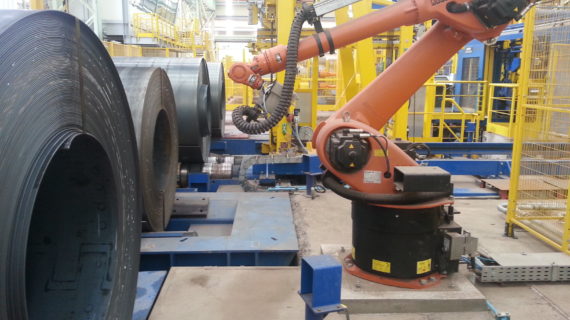
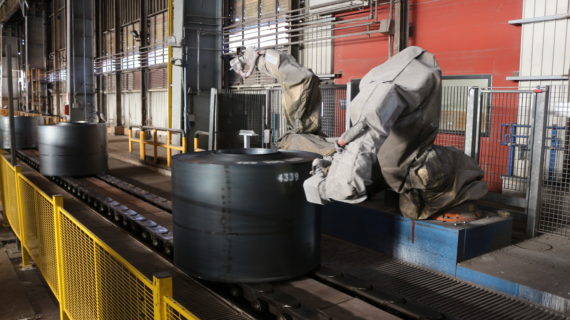
IMTS offers a wide range of marking technologies for HOT or COLD metallurgical products to meet customer requirements. Both robotic and traditional mechanical marking machines are available according to customer preferences.
SmartMetalMarkers is a trademark assigned to high-quality marking systems containing advanced features with high reliability. Advanced features are focused on improving and monitoring key technological functions and end result evaluation.
The worldwide metallurgical products market demands improvements in quality controls and greater traceability for the identification of single-piece metal products.
Unmarked metal products create additional costs due to the inspections and processes required for identification and, above all, are not appreciated by end users.
Perfectly branded products give excellent impression to customers which will increase sales with a very high percentage.
The definitive answer to all the above-mentioned problems lies in a marking system belonging to the SmartMetalMarkers family, accurately designed by IMTS using high specialist knowledge and long dedicated experience.
SmartMetalMarkers is a trademark assigned to high-quality marking systems containing advanced features with high reliability.
Advanced features are focused on improving and monitoring basic technological functions and final result evaluation.
The main advanced features of SmartMetalMarkers are:
- Product Image Analysis
- Monitoring and control of main technological functions
- Partial or full redundancy
- Detailed Recording and Diagnostics
- Automatic Repeat Marking
- Figure
- Dimensions
- Location and Routing
- Product count
- Profile
- Barcode or QR Code readability
- Control of interferences in the working volume
To specifically adapt the marking position on each product and provide diagnostic details. Only some examples are shown in the pictures. All images taken before and after the marking cycle are stored and displayed on the HMI.
Monitoring and control of the main technological functions are key factors to improve the marking result and provide details for diagnosis. Some examples are presented below.
Partial or full redundancy of technological equipment is applied to successfully complete the marking cycle and achieve high overall performance, even if some operating conditions are non-standard or worn parts. Some examples are explained below.
Label retention is done via two completely independent vacuum circuits, each capable of providing label retention on its own and providing diagnostics for maintenance.
MIG welding of the label is done through two completely independent and simultaneous welding systems, each capable of securing the label on its own. But the other has no chance of welding successfully due to the presence of a deep groove on an uneven product.
Detailed Log and Diagnostics are created thanks to the special sensors and software mentioned previously. These include events, data and images for a detailed documentation of the marking cycle, useful for post-evaluation and statistics. Sometimes the customer sees unmarked products on line or in the store and the first thing he thinks is, “The brander is not working properly.” Is this true most of the time?
Saved images, information and alarms instantly alert the customer and help him detect unexpected problems that fall outside the marker's responsibility: product out of nominal position, uneven surface or wrapping, marking data or starting signal missing, etc.
Automatic Repeat Marking, possible in case of tagging, helps improve overall performance. At the end of the cycle, the system checks the readability of the code, and in case of alarm, the system automatically starts a new cycle only if the function is activated and certain conditions are met. Most often the second cycle successfully solves the problem caused by uneven surfaces of the product, which are often very difficult to weld.

